
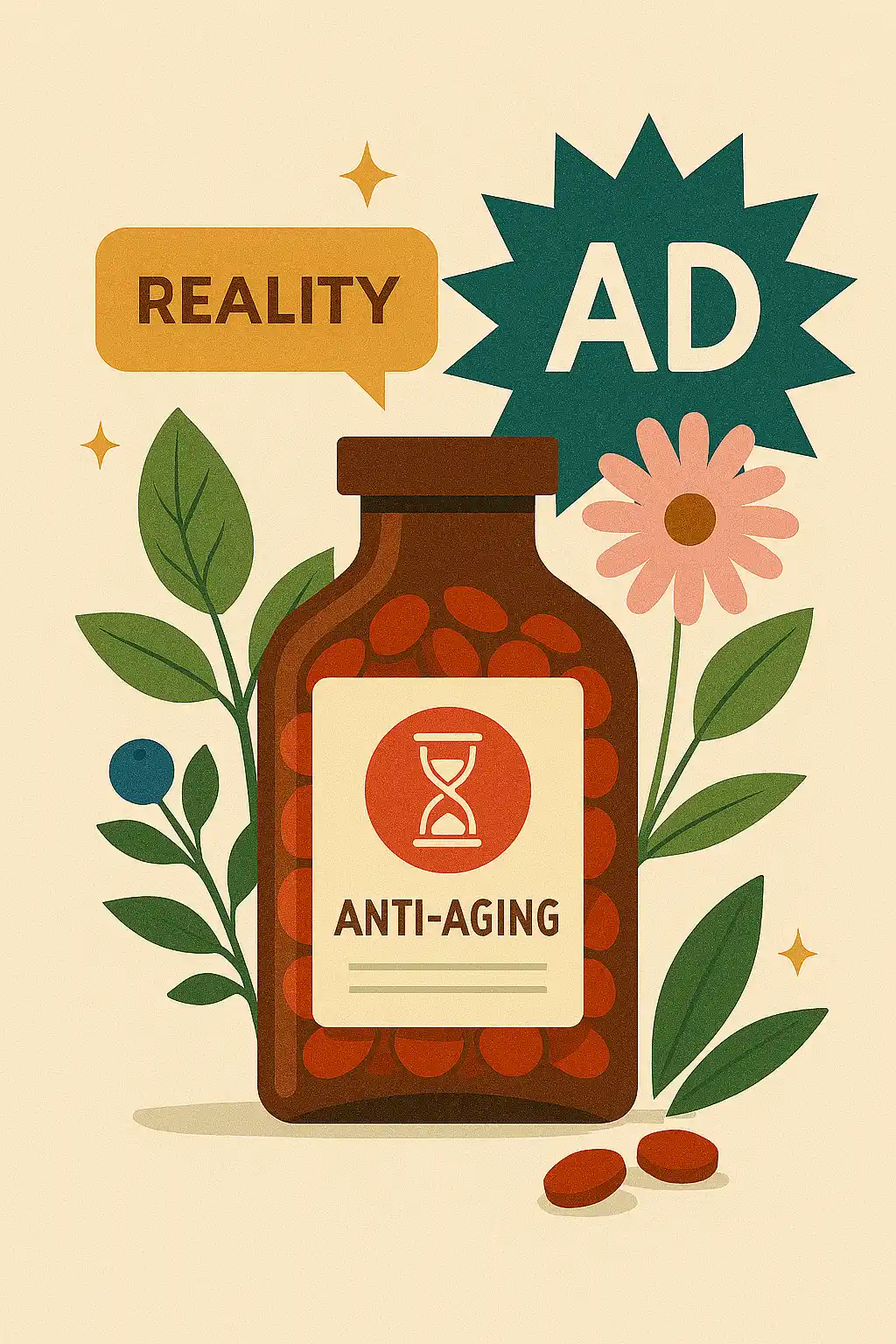
Anti-aging and antioxidant supplements can help reduce cellular damage and support overall health, but miraculous claims about completely stopping the aging process are often exaggerated and promotional. Their effectiveness depends on the formula, dosage, individual lifestyle, and the scientific evidence supporting each product.
Anti-Aging and Antioxidant Supplements: Reality or Hype?
As we age, the human body undergoes various biological changes — including reduced collagen production, decreased cellular performance, increased inflammation, and accumulation of free radicals. These processes contribute to visible signs of aging such as wrinkles, skin sagging, and reduced energy levels.
Meanwhile, the market for anti-aging and antioxidant supplements has grown rapidly, with many brands promising rejuvenation, cellular regeneration, and even the reversal of aging. But do these claims have real scientific backing?
Antioxidants: The Science Behind Aging Defense
Antioxidants are compounds that neutralize free radicals, protecting cells from oxidative stress. Oxidative stress is one of the main factors that accelerate aging and contribute to chronic diseases such as cancer, diabetes, and heart disease.
Some of the most important antioxidant supplements include:
-
Vitamins C and E: Protect skin and DNA from environmental damage.
-
Coenzyme Q10: Supports cellular function and heart health.
-
Resveratrol: A polyphenolic compound with anti-inflammatory and anti-aging properties.
-
Glutathione: A natural antioxidant that plays a key role in cellular detoxification.
Studies have shown that regular intake of these compounds may help reduce inflammation, improve skin health, and enhance cellular performance.
Exaggerated Claims: The Line Between Science and Marketing
While there is scientific evidence supporting the benefits of antioxidants, many marketing campaigns go beyond reality. Claims such as “total rejuvenation,” “stopping aging,” or “returning to your twenties” are not scientifically valid and can create unrealistic expectations.
The Food and Drug Administration (FDA) also emphasizes that no supplement alone can stop the natural aging process. Their effectiveness should be evaluated based on credible studies and within the context of a healthy lifestyle.
Supplements or Diet?
Research indicates that natural antioxidants found in foods such as fruits, vegetables, nuts, and whole grains are generally more effective than commercial supplements. Supplements are recommended mainly when there is a nutritional deficiency or when a person is exposed to high oxidative stress.
Conclusion
Anti-aging and antioxidant supplements can be a valuable part of a preventive health strategy — but they are not miracle solutions for reversing aging.
Informed choices, balanced use, and combining them with a healthy diet and active lifestyle are the real keys to benefiting from these compounds.